


Must-have pet accessories are the tools, gear, and supplies that directly protect your pet’s health, safety, and comfort on a daily basis. The core examples include collars with ID tags, feeding bowls, grooming tools, travel crates, and bedding. Getting these right from the start saves money, prevents emergencies, and makes life easier for both you and your pet. This guide covers the most practical examples of must-have pet accessories across every major category, with specific product examples and budget-conscious picks worth buying in 2026.
1. What are the top must-have feeding and hydration accessories for pets?
Feeding and hydration gear forms the foundation of your pet accessories checklist. The three core items are a standard food bowl, a slow feeder for dogs prone to gulping, and a dedicated water source. Each solves a different problem: portion control, digestion, and consistent hydration.
For home use, stainless steel or ceramic bowls outperform plastic because they resist bacterial buildup. An automatic feeder and fountain combo handles both meal timing and hydration in one unit, which is especially useful for cat owners who travel frequently. Interactive options like a puzzle-style food dispenser slow eating and add mental stimulation at the same time.
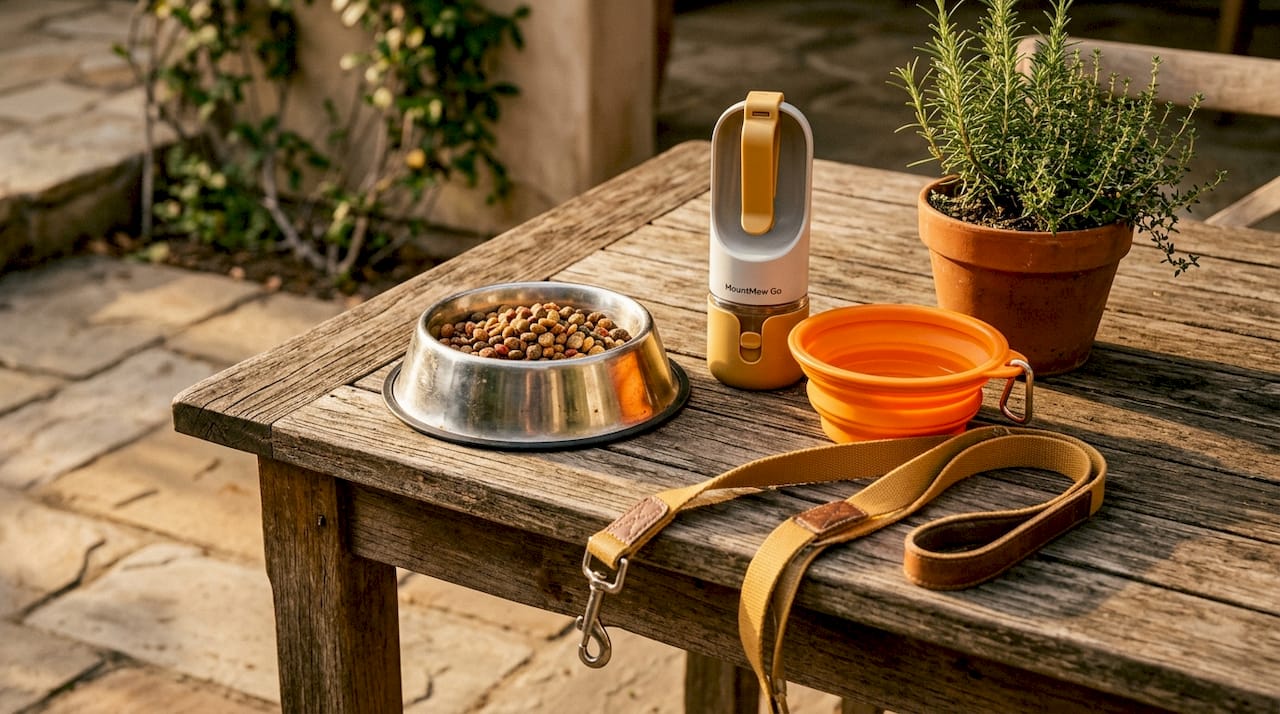
For travel, the Boots & Barkley Collapsible Dog Bowl is a portable hydration solution priced at just $3, folding flat to fit in any bag. That price point makes it one of the best budget pet accessories worth buying for outdoor use. Collapsible travel bowls also solve the common problem of forgetting bulky gear on hikes or day trips.
Pro Tip: Pack a collapsible bowl in your car’s glove compartment year-round. It takes up no space and means you are always ready to hydrate your pet on unplanned stops.
| Accessory | Best use case | Portability | Approx. price |
|---|---|---|---|
| Stainless steel bowl | Daily home feeding | Low | $8–$20 |
| Slow feeder bowl | Dogs that eat too fast | Low | $10–$25 |
| Automatic feeder/fountain | Scheduled feeding, hydration | Low | $30–$80 |
| Collapsible travel bowl | Hikes, travel, outings | High | $3–$15 |
| Stainless travel water bottle | On-the-go hydration | High | $15–$30 |
2. Which pet accessories are essential for safety and identification?
Safety accessories are the most critical items on any essential pet gear list because they directly determine whether a lost pet comes home. The baseline kit includes a collar, an ID tag, a rabies tag if applicable, and a leash. Disaster preparedness guidelines confirm this combination as the minimum for pet control and quick reunification in emergencies.
Your pet’s ID tag should include more than just a name. MSPCA-Angell recommends that ID tags include your contact name, home address, and both a local and an out-of-state phone number. That second number matters more than most owners realize. If a disaster forces you to evacuate, your local number may be unreachable.
Updating that information is not optional. Outdated contact details on ID tags are one of the leading reasons lost pets are never reunited with their owners. Treat tag updates as a routine task, not a one-time purchase.
Here is a practical safety and disaster preparedness checklist for pet owners:
- Collar or harness with current ID tag and rabies tag
- Six-foot leash or slip lead stored near the front door
- Microchip registered with up-to-date contact information
- IATA-compliant travel crate for evacuation or air transport
- Two-week supply of food and water in a portable container
- Copies of vaccination records in a waterproof bag
- Out-of-state emergency contact listed on the ID tag
“Effective identification is the most reliable safety accessory when properly maintained.” — MSPCA-Angell
A pet safety checklist from Percy Loves notes that 33% of pet owners lack any emergency plan for their animals. That gap is closed almost entirely by having the right accessories in place before a crisis hits.
3. What are key comfort and living accessories every pet should have?
Comfort accessories directly affect your pet’s stress levels, sleep quality, and behavior at home. The core items are a dedicated bed or crate, familiar toys, and a clean, accessible litter setup for cats. These are not luxuries. They are the items that prevent destructive behavior and anxiety.
For cats, litter box planning follows the N+1 rule: always have one more box than the number of cats in the household. Two cats need three boxes, three cats need four, and so on. This rule reduces territorial competition and prevents avoidance accidents. Box variety also matters. Multi-cat homes benefit from offering open high-sided, low-entry, and top-entry styles to accommodate different mobility levels and preferences.
A silicone pet mat placed under food bowls and in feeding areas protects floors and simplifies cleanup. For cats specifically, a multi-level cat tree with built-in toys addresses both the need for vertical space and daily play enrichment in one piece of furniture.
Pro Tip: When selecting a pet bed, choose one with a removable, machine-washable cover. Beds that cannot be washed become a source of odor and allergens within weeks.
| Accessory | Primary benefit | Best for | Approx. price |
|---|---|---|---|
| Orthopedic pet bed | Joint support, better sleep | Senior dogs and cats | $30–$90 |
| Crate or playpen | Security, house training | Puppies, anxious pets | $40–$150 |
| Silicone feeding mat | Floor protection, easy cleanup | All pets | $10–$25 |
| Multi-level cat tree | Enrichment, vertical space | Indoor cats | $50–$200 |
| Litter box set (N+1) | Hygiene, territorial peace | Multi-cat households | $15–$40 each |
4. Which grooming accessories are must-haves for maintaining pet health?
Grooming tools are the most overlooked category on most pet accessories checklists, yet they directly affect skin health, coat condition, and your pet’s comfort. Regular grooming prevents matting, reduces shedding, and lets you catch skin issues early before they become expensive vet visits.
The grooming basics every pet owner needs include:
- Detangling comb: A pet detangling comb removes knots without pulling, which is especially important for long-haired breeds. Regular use prevents the painful matting that often requires professional shaving.
- Spray comb: A spray grooming comb combines detangling with coat conditioning in one step, cutting grooming time in half.
- Water-absorbent grooming towel: A quality grooming towel set dries pets faster after baths and outdoor walks, reducing the risk of chills and skin irritation.
- Bath restraint bracket: A pet bath restraint keeps cats and small dogs secure during bathing, protecting both the pet and the owner from stress and scratches.
- Pet-specific shampoo: Human shampoos disrupt a pet’s skin pH. A species-appropriate shampoo prevents dryness and irritation with every wash.
Grooming tools like detangling combs and water-absorbent towels improve hygiene and comfort, particularly in multi-pet households where grooming frequency is higher. Budget-friendly options from Mountmew cover all these bases without requiring a trip to a professional groomer for routine maintenance.
5. What travel accessories are essential for safe pet transportation?
Travel accessories determine whether your pet arrives calm and safe or stressed and at risk. The non-negotiable starting point is a travel crate that meets IATA Live Animals Regulations, which require specific size, ventilation, locking mechanisms, and a leak-proof base. Airlines enforce these standards strictly, and showing up with a non-compliant crate means your pet does not board.
Beyond the crate, a pet travel essentials checklist should include a secure harness, a seat belt clip for car travel, and a portable water source. The Mountmew stainless steel travel water bottle combines a water bottle and bowl in one unit, which eliminates the need to pack separate items.
Pro Tip: Introduce your pet to the travel crate at home weeks before any trip. Leave it open with a familiar blanket inside so the crate becomes a comfortable space, not a stressful one.
| Travel accessory | Car travel | Air travel | Hiking/outdoor |
|---|---|---|---|
| IATA-compliant crate | Yes | Required | No |
| Seat belt harness | Required | No | No |
| Collapsible water bowl | Yes | Yes | Yes |
| Stainless travel bottle | Yes | Yes | Yes |
| Secure carrier bag | Small pets | Cabin-approved | Yes |
Key takeaways
The most effective pet accessory strategy covers five categories: feeding, safety, comfort, grooming, and travel, because each addresses a distinct and non-overlapping set of pet needs.
| Point | Details |
|---|---|
| Safety gear comes first | A collar, current ID tag, and leash are the minimum baseline for every pet. |
| Follow the N+1 litter rule | Multi-cat households need one more litter box than the number of cats to prevent conflict. |
| Travel crates must be IATA-compliant | Non-compliant crates are rejected at check-in and create last-minute travel crises. |
| Grooming tools prevent vet bills | Regular use of detangling combs and proper towels catches skin issues before they escalate. |
| Budget picks exist in every category | Items like collapsible bowls and silicone mats deliver real value at under $15. |
Why I stopped overthinking pet accessories and started with the basics
I spent years watching pet owners walk into stores overwhelmed by hundreds of products, then leave with decorative items and skip the gear that actually matters. The pattern is consistent: people buy the cute bandana collar before they buy the ID tag that goes on it.
My honest view is that most pets need fewer accessories than the market suggests, but the ones they do need should be bought well. A $3 collapsible bowl and a properly engraved ID tag do more for your pet’s daily life than a $60 designer harness with no ID attachment point.
The category most owners skip is grooming. They assume it is optional or only for show dogs. It is not. A detangling comb used twice a week prevents the kind of matting that requires sedation to fix. That is not an exaggeration. I have seen it happen to otherwise healthy pets whose owners simply did not know the tool existed.
The other thing I would push back on is the idea that safety accessories are a one-time purchase. An ID tag with a disconnected phone number is worse than no tag at all because it gives owners false confidence. Set a calendar reminder every six months to check that every piece of contact information on your pet’s tag is still accurate. It takes two minutes and it could be the difference between getting your pet back and not.
Start with the five categories in this article. Get one solid item in each. Then add comfort and enrichment items as your budget allows. That sequence works for every pet, every budget, and every living situation.
— Desar
Stock your pet’s kit with Mountmew
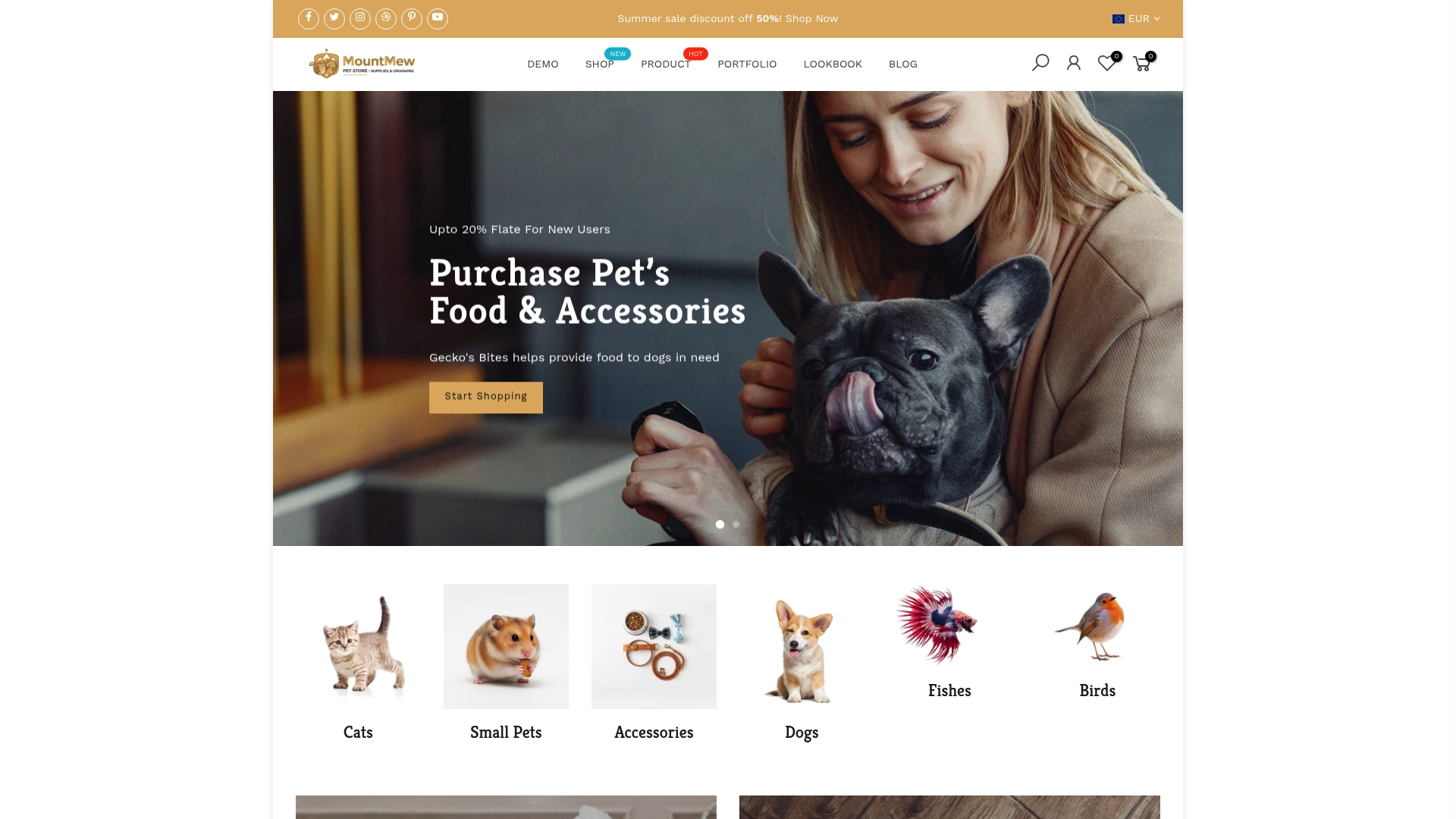
Mountmew carries the practical, everyday accessories covered in this article, from the stainless steel travel water bottle that doubles as a travel bowl to grooming tools built for multi-pet households. Every purchase at Mountmew contributes to feeding shelter dogs, so your shopping does double duty. Free shipping and regular discounts make it easy to build out your pet accessories checklist without overspending. Browse the full catalog at Mountmew and find the gear your pet actually needs.
FAQ
What are the most important pet accessories to buy first?
Start with a collar, ID tag, food bowl, and a suitable sleeping space. These four items cover safety, feeding, and comfort, which are the highest-priority needs for any new pet.
How many litter boxes does a multi-cat household need?
The N+1 rule applies: one more box than the number of cats. Two cats need three boxes, placed in separate locations to reduce territorial stress.
What should a pet ID tag include?
MSPCA-Angell recommends including your pet’s name, your home address, a local phone number, and an out-of-state contact number. Two contact points significantly increase reunification chances if you are displaced during an emergency.
Do travel crates need to meet specific standards for air travel?
Yes. IATA regulations require crates to meet size, ventilation, locking, and leak-proof base standards. Airlines will turn away pets in non-compliant crates at check-in, so verify compliance before travel day.
What grooming tools do most pet owners actually need?
A detangling comb, a water-absorbent drying towel, and a species-appropriate shampoo cover the basics for most dogs and cats. Long-haired breeds may also benefit from a spray comb and a bath restraint for safer, less stressful grooming sessions.